
Events are funded in part through generous support from the Massachusetts Society of the Cincinnati, the Lowell Institute, Hub Town Tours, the Revere Hotel, and Ruby W. and LaVon P. Linn Foundation.
Events
-
-
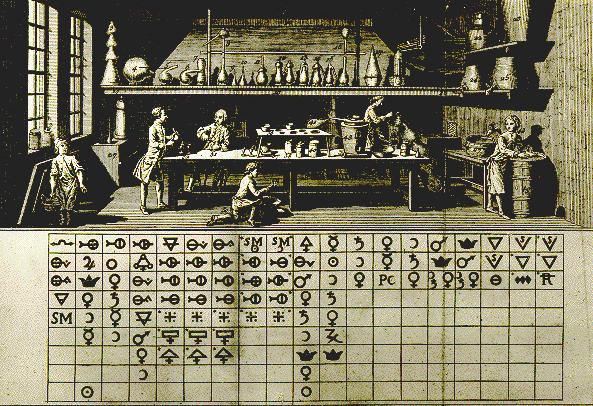
Chemistry in the 18th Century
The Paul Revere House 19 N Square, Boston, MABy the late 1700s only about two dozen elements were known, there was no periodic table, and there were very few of the laboratory practices and equipment we use today. Chemistry teacher R. P. Hale will demonstrate the 18th century chemistry and procedures behind the art of making oak-gall writing ink. He will show how […]
-
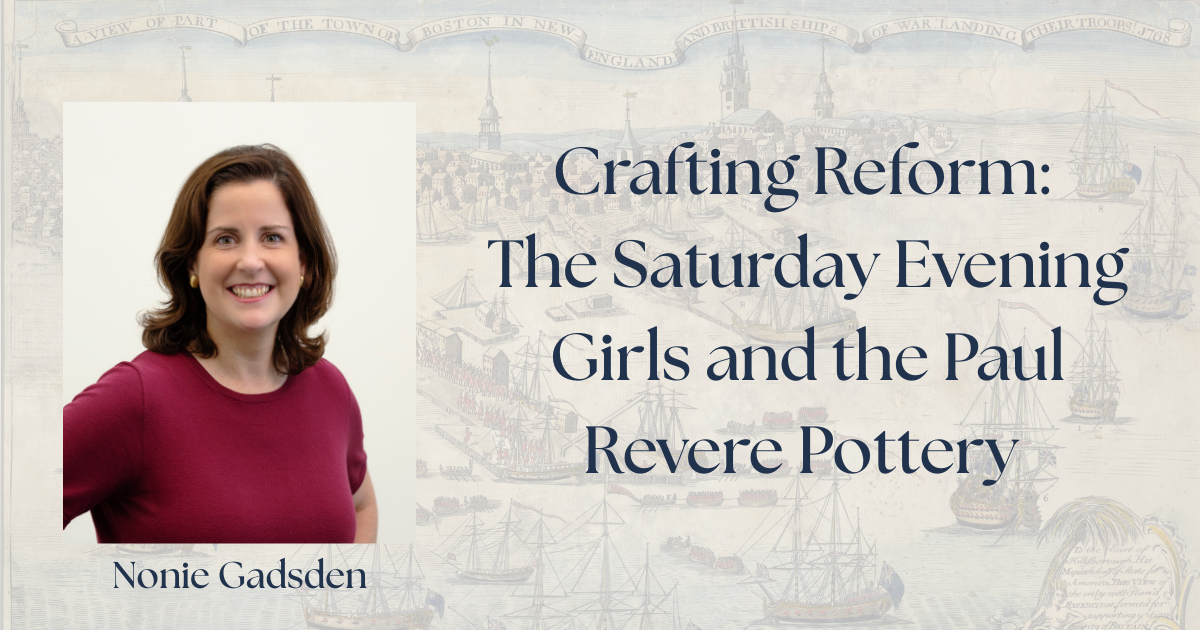
Crafting Reform: The Saturday Evening Girls and the Paul Revere Pottery with Nonie Gadsden
Smith Commons (5th floor), Sargent Hall, Suffolk University 120 Tremont Street, Bsoton, MA, United StatesCrafting Reform: The Saturday Evening Girls and the Paul Revere Pottery with Nonie Gadsden
The Saturday Evening Girls' club was established in 1899 for Italian and Jewish immigrant girls in the tenements of Boston's North End, and in 1908, the club leaders founded a pottery where the girls could work. They named it the Paul Revere Pottery in honor of the patriot and to emphasize their own desire to be seen as Americans. The lecture will explore how the Pottery exemplified the Arts and Crafts movement.Free -
-

Paper Marbling
The Paul Revere House 19 N Square, Boston, MASee how colonial craftsmen created eye-catching marbled papers. Watch as R. P. Hale floats pigments in water, swirls the colors, then transfers the designs to paper. It may look like magic but Hale will explain the very real science behind this fascinating phenomenon.
-
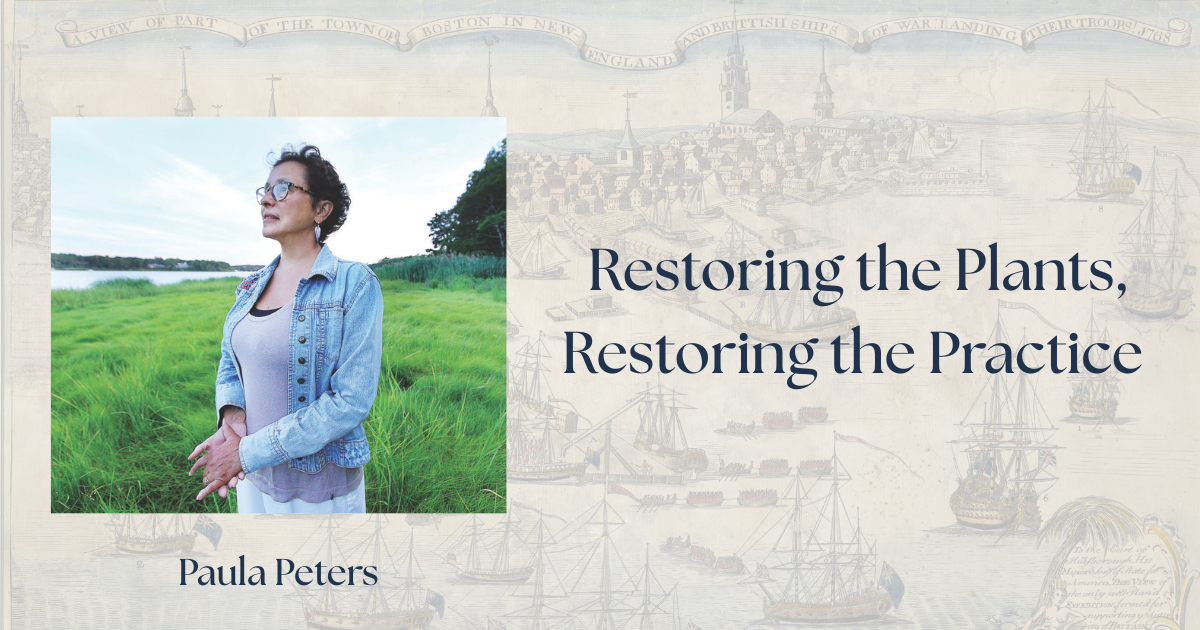
Restoring the Plants, Restoring the Practice with Paula Peters
Smith Commons (5th floor), Sargent Hall, Suffolk University 120 Tremont Street, Bsoton, MA, United StatesRestoring the Plants, Restoring the Practice with Paula Peters
Paula Peters will explore the deep relationship between environmental health, Indigenous knowledge, and cultural practice. Focusing on native materials such as bulrush and wampum, the talk will show how plants and shells are not simply resources, but living connections to land, water, craft, and identity. Peters will discuss how invasive species, development, and ecological imbalance threaten these traditions—and how restoration efforts to bring native plants back can help renew both the landscape and the cultural practices rooted within it.Free